 RLP NEWS


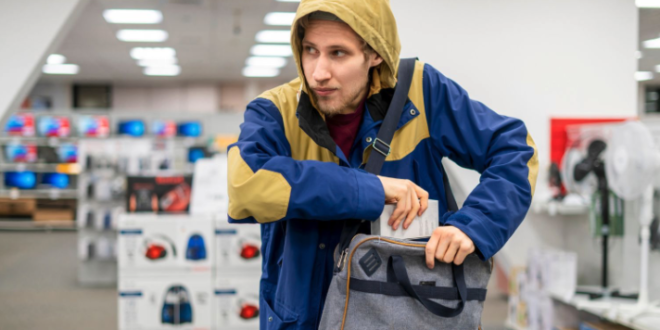
Retailers across the U.S. are locked in a battle against shoplifting, a problem that has escalated from small-time theft to a multi-billion dollar crisis involving organized crime rings. From big-box chains like Walmart and CVS to local grocery stores, the surge in both petty and large-scale theft has forced businesses to invest heavily in loss prevention, but the question remains: are stores winning the war on shoplifting?
The Rise of Organized Retail Crime
Shoplifting has always been a problem for retailers, but in recent years, the nature of the crime has evolved. No longer confined to individuals pocketing small items, today’s retail theft is often part of sophisticated, organized crime rings. These groups target high-demand items such as electronics, over-the-counter medications, and designer clothing, reselling them on the gray market or through online platforms.
According to the National Retail Federation (NRF), organized retail crime (ORC) cost U.S. retailers a staggering $112 billion in 2022, a sharp increase from $99.3 billion the previous year. These theft rings operate with precision, sometimes hitting multiple stores in coordinated “smash-and-grab” operations. They frequently target stores with easy highway access for quick getaways, making cities like Los Angeles, Chicago, and New York particularly vulnerable.
But it’s not just large cities that are feeling the sting. Smaller communities, too, are grappling with crime syndicates that move from town to town, hitting stores for thousands of dollars worth of merchandise in a single outing.
The Retail Response: Technology and Deterrence
Retailers, particularly large chains, have responded with an array of new tactics designed to thwart shoplifters. Walmart, Target, and other big-box stores have invested heavily in technology. AI-driven systems, like Veesion, use security cameras to detect suspicious behavior, such as a customer slipping an item into their jacket or bag. These systems alert store personnel within seconds, helping them intercept theft in real-time.
Other stores are turning to more traditional methods. Locked display cases, once reserved for high-end electronics or jewelry, are now commonly used to protect items as mundane as laundry detergent or razor blades. CVS and Walgreens, for instance, have begun locking up everyday items like deodorant and shampoo. While this frustrates some customers, retailers argue it’s a necessary measure to prevent loss.
“Retailers have been forced to keep their products under lock and key,” said Travis Page, District Attorney for Gaston County, North Carolina. “And when that has failed, they’ve been compelled to close their doors.”
At the same time, stores are taking steps to minimize confrontations with thieves. Many have implemented “no-chase” policies for their staff, instructing security personnel to avoid direct engagement with shoplifters to reduce the risk of violence. While this keeps employees safe, it sometimes emboldens thieves, who know they can walk out without immediate consequences.
The Legal Landscape
On the legislative front, states are beginning to pass laws to address the surge in organized retail crime. New Jersey, for example, recently introduced a bipartisan bill that would create a new law enforcement unit specifically tasked with targeting professional theft rings. The proposed legislation also increases penalties for repeat offenders and ringleaders of these theft operations.
At least 14 other states, including California, New York, and Texas, have passed similar laws, stiffening penalties for organized theft and coordinating between state and local authorities to track and prosecute offenders. Some states, like Illinois, are experimenting with new types of retail theft units that work across jurisdictions, pooling resources to tackle what is becoming an interstate problem.
Are Stores Winning?
Despite these efforts, the fight against shoplifting remains a tough one. While technological innovations and new legislation are helping stores mitigate losses, many retailers feel that they are merely playing defense, constantly reacting to a problem that continues to evolve.
“The technology helps, but it’s not foolproof,” said Stephen Stout, general manager at Eastridge Mall in Gastonia, North Carolina. “We’ve stopped a number of thefts, but for every one we catch, there’s probably two or three we miss. And with organized crime rings, they move fast. By the time you catch onto their pattern, they’re hitting the next city over.”
Some stores are even being forced to close locations in high-crime areas due to the financial strain of constant theft. Walgreens, for example, recently announced the closure of several stores in San Francisco, citing the rising cost of theft as a key factor. Target has also closed locations in various cities, highlighting both theft and the rising cost of security measures as reasons.
However, it’s not all bad news. Many smaller, independent retailers have found success by adopting a community-focused approach. By fostering strong relationships with local law enforcement and creating a more personal shopping experience, these businesses have been able to deter shoplifting at a grassroots level.
“We know our customers, and that helps,” said Maria Fernandez, owner of a small grocery store in Chicago. “When something doesn’t feel right, we notice it quickly. We’re not immune to theft, but we’re able to nip it in the bud more often than not.”
The Road Ahead
The war on shoplifting is far from over, and it’s clear that no single solution will be enough to solve the problem. Retailers are investing heavily in technology, legislative support is growing, and communities are finding innovative ways to protect their stores. Yet, with organized crime rings becoming more sophisticated, the challenge continues to evolve.
For now, stores may not be winning the war outright, but they are learning to fight smarter. The battle to balance security with customer experience will likely continue to shape the retail landscape for years to come, as both thieves and retailers adapt to a rapidly changing world.